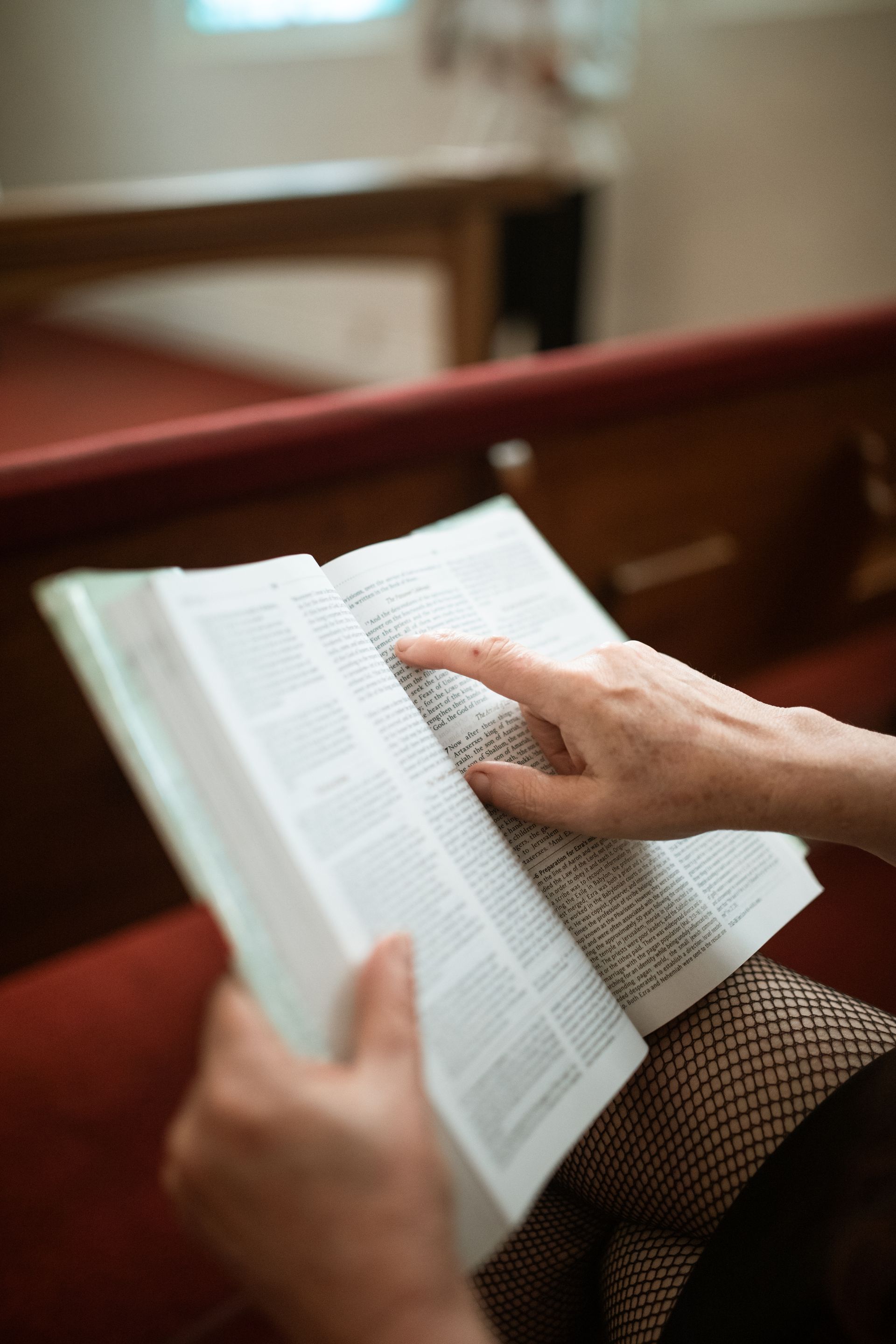
Why Memorizing Scripture Changes Us
Holy Bible · November 24, 2026 · By Thomas Hale
Ask our oldest member which verse carried her through her husband’s funeral and she will not fetch a Bible. She will close her eyes. She learned it at nine, and sixty years later it was still there when she needed it most.
That is the quiet argument for memorization: you cannot always open the Book — in the ambulance, at 3 a.m., in the meeting where you must decide what kind of person to be. But a hidden verse opens itself.
Memory Is a Pantry, Not a Trophy
We sometimes treat memorized verses like medals — proof of spiritual fitness. Scripture treats them like pantry shelves. “I have hidden your word in my heart,” the psalmist says, and then tells us why: “that I might not sin against you.” Stored truth becomes available truth, exactly when temptation, fear or grief come knocking.
“A verse you can quote is good. A verse that quotes itself to you, unbidden, at midnight — that is a friend for life.”
Start With Twelve Words
Forget learning the whole of Romans by Easter. Take one verse — “The Lord is my shepherd; I shall not want” is twelve words — and say it aloud each morning while the kettle boils. Write it on the bathroom mirror. Test yourself on Friday. By month’s end you will own it forever, and it will start owning you back.
Our Wednesday Bible group is memorizing one verse a month together this winter, and children’s groups earn a star for every verse recited. Join us — bring a willing heart and a blunt pencil.
Thomas Hale is a pastor at Cedarfold Chapel, where he oversees pastoral care, the support groups and the Wednesday Bible study.